
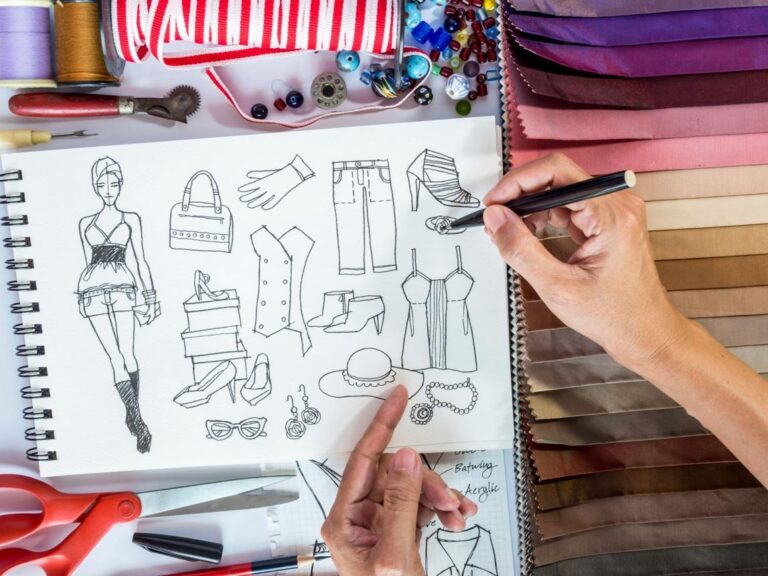
Fashion designing is not just about clothes. It’s about ideas, identity, and how people express themselves without saying a word. If you’ve ever looked at an outfit and thought, “I could design something better than this,” you’re already closer to becoming a fashion designer than you think.
This guide walks you through everything from skills and courses to career paths and salary – in a way that actually makes sense when you’re starting out.
What Does a Fashion Designer Really Do?
A fashion designer doesn’t just sketch outfits all day. The work is a mix of creativity and execution.
Here’s what actually happens behind the scenes:
- Turning ideas into sketches
- Choosing fabrics, colors, and textures
- Creating patterns and prototypes
- Working with tailors or production teams
- Keeping up with trends and consumer behavior
- Presenting collections or building a brand
In simple terms, you don’t just design – you solve problems through style.
Step-by-Step: How to Become a Fashion Designer
1. Start With the Basics (Even If You’re a Beginner)
You don’t need to be born talented. Most designers start with curiosity.
Begin with:
- Drawing simple outfit sketches
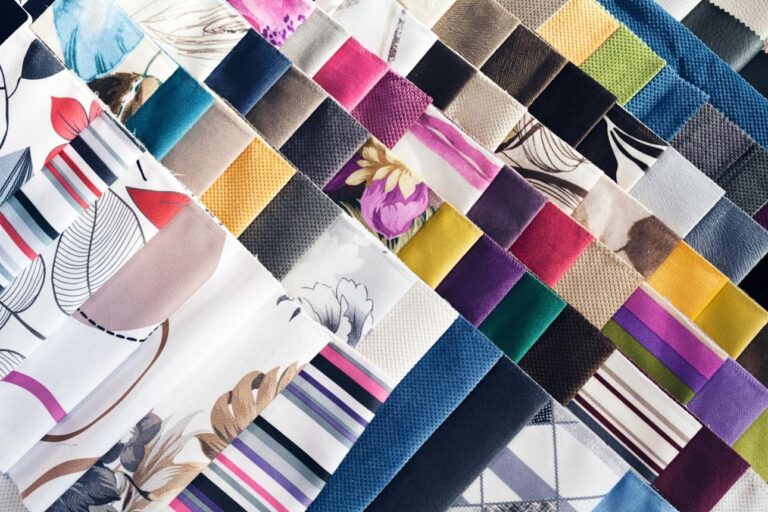
- Understanding fabrics
- Observing what people wear daily
- Following trends (but not copying blindly)


2. Learn the Core Skills
If you’re serious about how to become a fashion designer, skills matter more than motivation alone.
Here are the non-negotiables:
Creative Skills
- Fashion illustration
- Color theory
- Styling sense
Technical Skills
- Sewing & garment construction
- Pattern making
- Draping
Digital Skills
- CAD (Computer-Aided Design)
- Design software like Illustrator
Soft Skills
- Communication
- Confidence
- Presentation
Without these, talent stays stuck in your head.
3. Choose the Right Course (This Changes Everything)
This is where most people either move forward or stay confused.
A structured course gives you direction, exposure, and practical training. Instead of guessing everything, you learn the right process from day one.
One strong option is a 1-year intensive diploma like this:
https://www.isftcollege.com/diploma-in-fashion-design-technology/
This kind of program is designed for people who don’t want to waste years but still want proper industry-level training.
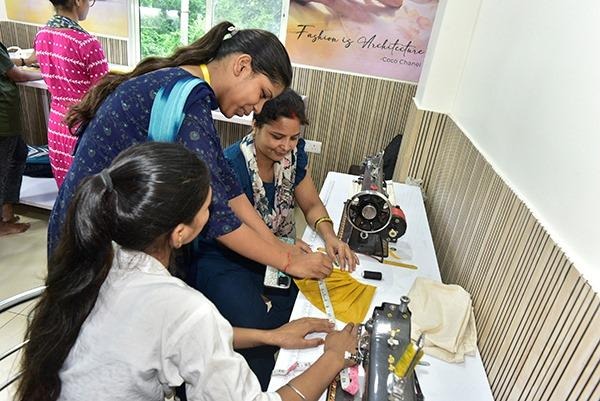
Let’s break it down so you know what you’re getting into.
Semester 1: Building Your Foundation
This phase focuses on understanding design from scratch:
- Elements & Principles of Design
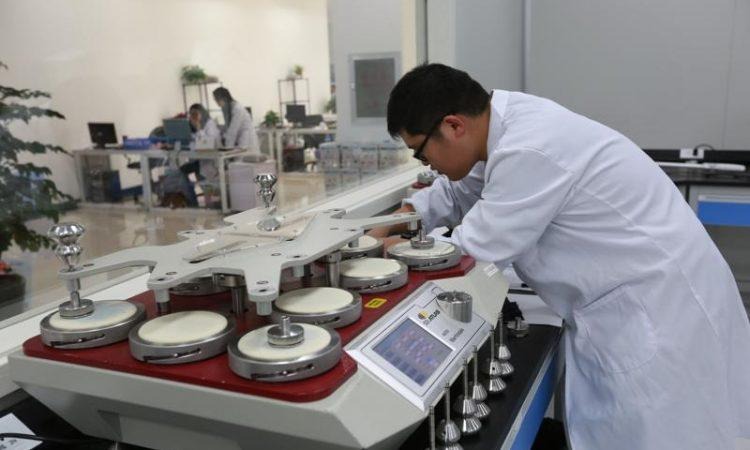
- Textile Science
- Surface Ornamentation
- Sewing Fundamentals
- Fashion Illustration
- Craft Study + Internship exposure
This is where your thinking changes. You stop seeing clothes casually and start analyzing them.
Semester 2: Turning Skills Into Output
Now you move from learning to creating:
- Garment Construction
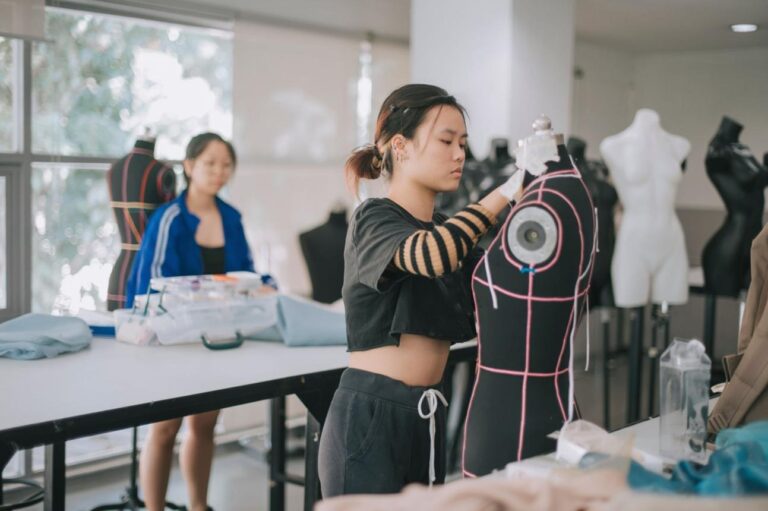
- Draping Techniques
- Fashion Accessories
- CAD (Computer-Aided Design)
- Portfolio Development
- Personality & Communication
By the end, you don’t just learn – you build something real that you can show.
Why a 1-Year Diploma Works Faster
Traditional degrees take 3–4 years. That’s a long time if your goal is to start working early.
A 1-year intensive program works because:
- Focused learning (no unnecessary subjects)
- Hands-on practice from day one
- Internship included
- Portfolio ready within a year
- Industry exposure through workshops
Instead of spending years figuring things out, you enter the industry quickly.
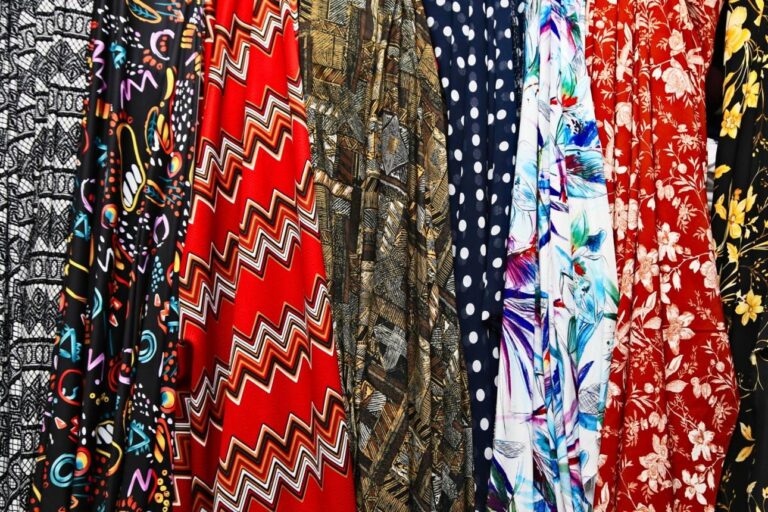


This is where things get interesting. Fashion is not just one job.
You can explore multiple roles:
- Fashion Designer
- Fashion Consultant
- Fashion Blogger
- Trend Forecaster
- Fashion Journalist
- Fashion Coordinator
- Fashion Technologist
- Garment Technologist
- Textile Designer
- Fashion Illustrator
You don’t have to stick to one path forever. Many designers switch roles over time.
Salary: What Can You Expect?
Let’s keep it real.
Starting Salary (India):
₹15,000 – ₹30,000 per month
After 2–4 Years:
₹40,000 – ₹80,000 per month
Experienced Designers / Freelancers / Brand Owners:
₹1L+ per month (no fixed limit)
Income depends on:
- Your skill level
- Portfolio quality
- Network
- Consistency
Fashion rewards people who keep evolving.
Do You Need a Degree to Become a Fashion Designer?
Not necessarily.
But here’s the truth:
Without proper training, you’ll struggle longer.
With structured learning, you move faster.
That’s why courses like
https://www.isftcollege.com/diploma-in-fashion-design-technology/
can give you a practical advantage – especially if you want to enter the industry quickly.
Skills That Make You Stand Out
Anyone can learn the basics. Few people stand out.
Here’s what separates average from serious:
- Strong portfolio (not just random sketches)
- Ability to explain your designs
- Understanding of trends + originality
- Digital design knowledge
- Confidence in presenting ideas
Fashion is competitive. Your uniqueness is your biggest asset.
Common Mistakes Beginners Make
Avoid these early, and you’ll save time:
- Copying designs instead of learning structure
- Ignoring technical skills like stitching
- Not building a portfolio
- Waiting for “perfect timing”
- Focusing only on Instagram aesthetics
Real growth happens when you focus on skill, not just appearance.
Tips to Start Your Fashion Journey Today
You don’t need to wait for anything. Start small.
- Sketch 1 design daily
- Study fabrics around you
- Follow designers and analyze their work
- Try basic stitching at home
- Build a simple portfolio (even digital)
Consistency beats talent when talent doesn’t practice.
Final Thoughts
If you’re serious about how to become a fashion designer, the path is simple – not easy, but clear.
Learn the basics.
Build real skills.
Get structured training.
Create your portfolio.
Step into the industry.
Fashion doesn’t demand perfection. It demands expression backed by skill.
And once you start, you’ll realize this isn’t just a career, it’s a way of thinking.
FAQ
It can take anywhere from 1 year to 4 years depending on the course you choose. Fast-track diploma programs can help you start your career sooner.
You can start after completing 12th grade in any stream. Creativity matters more than academic background.
Yes, especially with the growth of e-commerce, personal branding, and fashion startups. Opportunities are expanding every year.
Yes, but you’ll need to learn basic sketching over time. It’s a skill that improves with practice.
A course that offers practical training, digital design, internship, and portfolio development is ideal.
Yes. Even if you don’t stitch daily, understanding garment construction is essential.
Beginners usually earn between ₹15,000 to ₹30,000 per month, depending on skills and location.
Yes. Many designers start freelancing or launch their own label once they gain confidence and build a portfolio.